Low Vision Glasses in Bedfordview — See More. Do More. Live More Independently
Whether you’re living with vision loss or searching for a loved one who is — our specialist low vision optometrist in Bedfordview has helped patients drive again, read again, and reclaim daily independence
Why Choose Larry Zunde for you or your loved ones low vision glasses?
How low vision glasses can help you?
What to Expect at Your Low Vision Glasses Consultation at Larry Zunde Optometrists?
Step 1 — Your Vision History & Goals Mr Larry Zunde starts by understanding your life — what you want to do, what’s become difficult, and what conditions you’re managing.
Step 2 — Specialist Low Vision Assessment A detailed exam goes beyond standard eye testing. We assess contrast sensitivity, glare tolerance, field of vision, and how your vision loss affects your daily tasks.
Step 3 — Hands-On Trial of Different Glasses You don’t just get a prescription. You try different lens systems in-practice so you can feel the difference before you commit.
Step 4 — Your Custom low vision glasses Recommendation Mr Larry Zunde will recommend the right glasses for your specific goals — whether that’s reading, driving, TV, or everyday tasks.
Step 5 — Fitting, Training & Follow-Up Low vision glasses have a learning curve.
We walk you through it with proper training and scheduled follow-ups.

What Are Low Vision Glasses and do I need them?
- Low vision glasses are special-purpose eyewear made for those people who live with permanent visual impairment that regular specs cannot help.
- They’re not the same as standard prescription glasses. They are created to support people who can no longer see clearly even after wearing their usual corrective lenses.
- These glasses often include magnification, high-contrast filters, telescopic systems, or custom lens designs to help with specific activities.
- The most common reasons for needing low vision glasses include macular degeneration, glaucoma, diabetic eye disease, and genetic conditions. Stroke-related visual field loss is also a frequent reason.
- Many people who visit our practice come in feeling frustrated. Some have been told there’s nothing more to be done. That’s not always true. If you still have usable vision—even if it’s limited—there are ways to help you get more out of it.
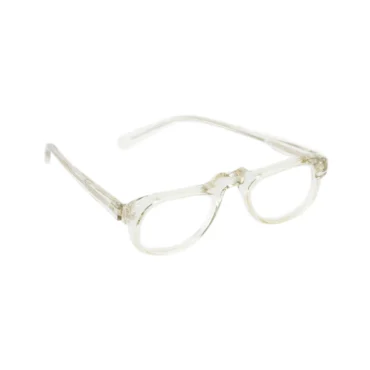
Types of Low Vision Glasses we have at Larry Zunde Optometrists for various conditions
There’s no one-size-fits-all solution. Your goals determine which glasses may work best.
Whether its low vision glasses for Macular Degeneration or glaucoma, give us a visit to see how we can help you.
- Bioptic telescope glasses: Used for driving and distance spotting
- Full telescopic glasses: Help with watching TV or seeing across a room
- Microscopic glasses: Helpful for reading fine print at very close range
- Magnifying readers: High-power lenses for books, forms, or menus. View here
- Tinted or contrast-enhancing filters: Reduce glare and improve comfort outdoors
- Prism glasses: Useful for people with field loss or double vision
You may need different glasses for different tasks. It’s very common to use more than one solution throughout the day.
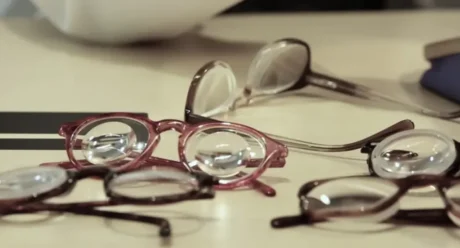
Main Use of low vision spectacles / lenses: Bioptics for Driving
For many people, driving is the number one reason they want low vision glasses. It’s not just about getting from point A to point B.
Driving represents freedom and independence.
Low vision glasses—particularly bioptic telescope systems—are a tool that can make driving possible again for people with moderate visual loss.
Bioptic glasses and lenses work by combining a regular prescription lens with a small telescope attached to the top part of the lens.
How they work?
You look through your regular lens most of the time and briefly glance through the telescope when you need to see road signs, traffic lights, or details in the distance.
In South Africa, driving with these systems isn’t automatically allowed.
You’ll need a professional assessment, possible clearance from authorities, and maybe even additional training.
But it is possible. And when it is, it can be a worth it.
FAQ for Low vision Glasses
-
These glasses are usually recommended for people with vision that ranges from 20/60 to 20/200—even after wearing normal glasses. They’re especially helpful if:
- You’ve had to give up certain tasks because of poor vision
- You’ve stopped driving
- You want to continue living independently for as long as possible
- You’re motivated to try something new (like a new sport) and commit to learning how to use it
You’ll need a full low vision assessment first.
This is more detailed than a routine eye test and focuses on real-world tasks you want to improve. We’ll work with you to test options and show you what’s possible.
- You’ve had to give up certain tasks because of poor vision
-
Low vision glasses do require a learning curve. Especially for driving, you’ll need proper training to use the telescope safely.
Reading with stronger lenses may mean holding items closer or adjusting lighting. Our low vision optometrists at Bedfordview will walk you through that process step by step.
Consistency helps. People who are willing to use their glasses daily and attend follow-ups tend to do much better.
-
These glasses often cost more than regular lenses. They’re custom-built, imported, and the time involved in fitting them is longer.
Medical aids may not fully cover them, depending on your plan. But for many patients, the ability to drive again or live more independently justifies the cost.
Our low vision optometrists in bedfordview always discuss pricing upfront, so you know what to expect.
Ready to Find Out If Low Vision Glasses Can Help You?
Book Your low vision glasses fitting consult in Bedfordview here
If you’re living with vision loss and you’ve been told there’s no solution, that might not be the full story.
Low vision glasses like other low vision Aids can make a real difference.
Whether you want to drive again, read without frustration, or just feel safer walking around, there are options.
Our team of low vision optometrists are here to help you explore them—without pressure, and with honest expectations.
If you think you might benefit from low vision glasses, book a proper assessment. You don’t have to accept less from life because of your sight.
Or Fill in the Form Below
Image source: